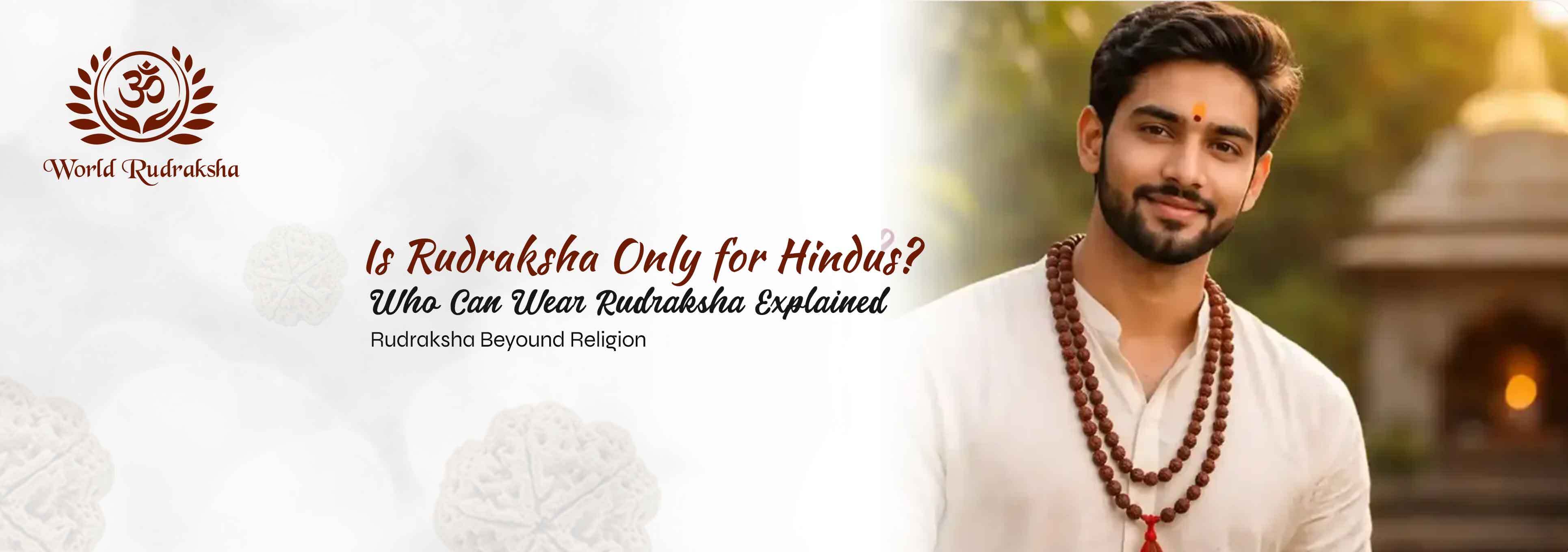
Is Rudraksha Only for Hindus? Who Can Wear Rudraksha Explained
Rudraksha beads are deeply rooted in Hindu tradition and are closely associated with Lord Shiva. Ancient scriptures describe Rudraksha as sacred beads formed from Shiva’s tears of compassion for humanity. Because of this origin, many people assume that Rudraksha is restricted only to Hindus. However, this belief is more cultural than doctrinal.
There is no universal rule that limits Rudraksha to followers of Hinduism. Traditionally, it is described as a gift for the welfare of all beings. Its spiritual purpose is to support meditation, mental clarity, emotional balance, and disciplined living qualities that are not exclusive to any religion.
Just as prayer beads exist in Christianity (Rosary), Islam (Tasbih), and Buddhism (Mala), Rudraksha functions as a spiritual aid rather than a religious identity marker. It helps the wearer maintain focus during prayer or meditation and serves as a reminder of awareness and compassion.
Anyone who approaches Rudraksha with respect and sincerity can wear it. There is no requirement for conversion, ritual perfection, or specific religious affiliation. The essential principle is intention. Wearing it with mindfulness and positive conduct is more important than belonging to a particular faith.
Ultimately, Rudraksha is not restricted to Hindus. It honors its sacred origins while remaining accessible to anyone seeking spiritual growth.
Who Can Wear Rudraksha? Religion, Rules, and Reality
Rudraksha is often surrounded by questions regarding eligibility. Many wonder whether only Hindu men can wear it or whether strict religious rules apply. In reality, Rudraksha is more inclusive than commonly believed.
Men, women, and even children can wear Rudraksha. There is no universal prohibition preventing people from different religions from using it. While it is sacred in Hindu tradition, its function is spiritual rather than sectarian.
Some traditional guidelines suggest maintaining cleanliness, avoiding harsh chemicals, and treating the bead respectfully. Certain traditions also recommend chanting mantras while wearing it. However, these practices enhance spiritual connection rather than define eligibility.
Religion does not determine who can wear Rudraksha. Instead, sincerity and respectful intention matter most. A person from any faith Christian, Muslim, Buddhist, Sikh, or otherwise may use Rudraksha during meditation or prayer according to their own beliefs.
The reality is that Rudraksha is a spiritual support tool. It encourages focus, mindfulness, and emotional balance. Its purpose is universal, not exclusive.
Can Non-Hindus Wear Rudraksha? Truth and Spiritual Meaning
 Yes, non-Hindus can wear Rudraksha. Although it originates in Hindu tradition and is associated with Lord Shiva, it is not restricted to a single religious community.
Rudraksha represents compassion, awareness, and spiritual discipline. These values transcend religion. Across the world, individuals from various faith backgrounds use Rudraksha as part of meditation and mindfulness practices.
The truth is that Rudraksha functions similarly to prayer beads in other religions. It helps regulate breathing, maintain concentration, and deepen spiritual reflection. It does not require belief in a specific deity to be effective as a meditation tool.
Wearing Rudraksha does not change one’s religion or spiritual identity. It simply supports inner development. Respect, positive intention, and mindful conduct are the key principles.
Its spiritual meaning lies in unity rather than division. Rudraksha symbolizes connection to higher consciousness and personal growth, making it accessible to anyone seeking peace and clarity.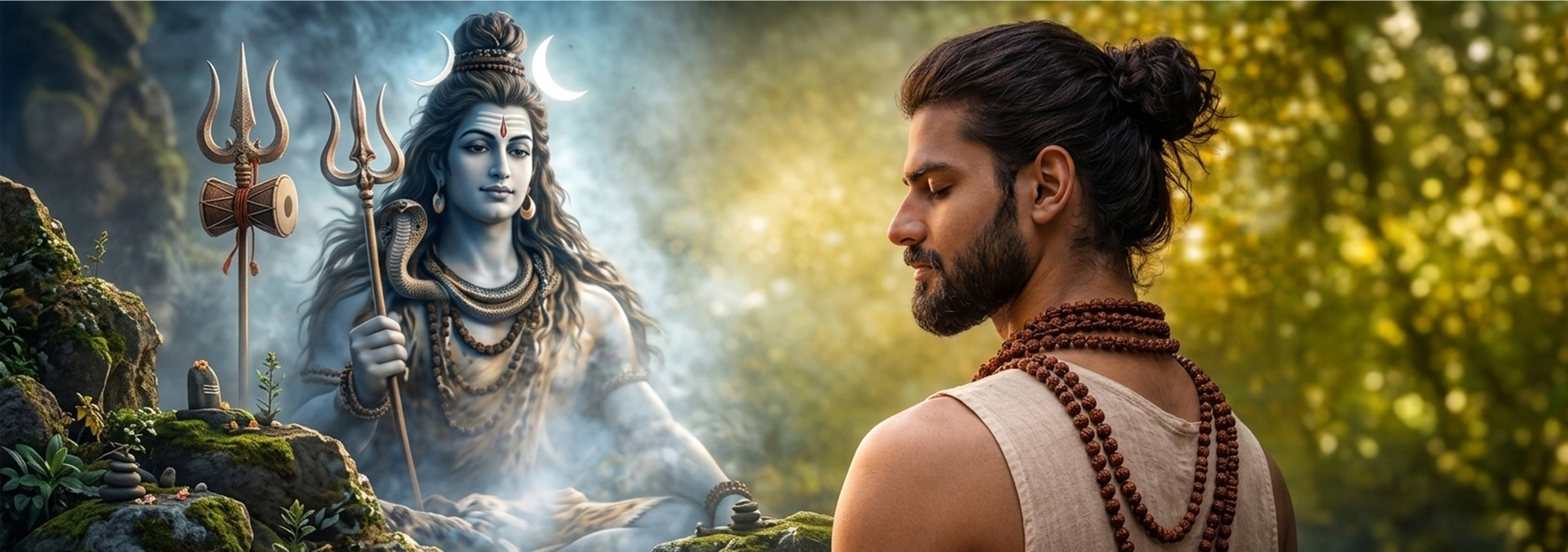
Rudraksha: Religious Symbol or Universal Spiritual Bead?
Rudraksha carries strong religious symbolism within Hinduism, particularly through its association with Lord Shiva. Its mythological origin gives it sacred status in traditional practice.
However, beyond its religious story, Rudraksha serves a universal spiritual function. It is primarily used as a meditation bead to enhance concentration and awareness. This practical purpose aligns with spiritual practices across many cultures.
In modern spirituality, Rudraksha is often viewed as a natural bead that promotes calmness and emotional stability. While scientific research on its energetic properties remains limited, many wearers report subjective benefits such as improved focus and reduced stress.
Therefore, Rudraksha can be both religious and universal. It honors its roots while remaining adaptable to contemporary spiritual practice. Its essence lies not in exclusivity but in supporting inner growth.
Is Rudraksha Only for Shiva Devotees? Complete Guide
Rudraksha is traditionally associated with devotees of Lord Shiva. Many Shaivites wear it as a symbol of devotion and spiritual discipline. However, this does not mean it is reserved only for Shiva devotees.
The bead’s spiritual benefits focus, calmness, and self-awareness—are relevant to all seekers. While chanting “Om Namah Shivaya” is common, individuals may pray or meditate in their own way.
Rudraksha does not demand allegiance to a particular deity. Its core value lies in fostering mindfulness and discipline. Devotion enhances its significance for some, but it is not a mandatory requirement.
Thus, Rudraksha is not limited to Shiva devotees. It can be worn by anyone who approaches it with respect and sincere intention.
Rudraksha for All Faiths: Who Can Truly Wear It?
 Rudraksha is often described as a universal spiritual bead. Its purpose is to support meditation and personal growth, which are common goals across religions.
People from diverse faiths wear Rudraksha as part of their spiritual routine. It does not replace their existing religious practices but complements them.
There is no universal restriction based on religion, gender, or nationality. The bead’s power lies in intention and disciplined use rather than religious identity.
Therefore, Rudraksha is accessible to all faiths. Its true value lies in unity and spiritual awareness.
Does Religion Matter When Wearing Rudraksha?
Religion does not determine the effectiveness or eligibility of wearing Rudraksha. While it is sacred in Hindu tradition, its function extends beyond religious boundaries.
What matters more than religion is mindset. Wearing Rudraksha with sincerity, ethical conduct, and respect is essential.
It can support prayer, meditation, or quiet reflection regardless of the faith tradition. Thus, religion does not limit who can wear it.
Rudraksha Myths: Who Can and Cannot Wear It?
Several myths surround Rudraksha. One common belief is that only Hindu men can wear it. Another is that improper rituals may cause harm.
In reality, these beliefs stem from cultural interpretations rather than universal rules. Women, children, and non-Hindus can wear Rudraksha without restriction.
The key is respectful handling and positive intention. Myths often arise from misunderstanding tradition.
- Wearing Rudraksha: Eligibility, Beliefs, and Facts
- Eligibility to wear Rudraksha is simple: anyone who approaches it respectfully may wear it. It is not limited by religion or gender.
Beliefs vary regarding rituals and dietary practices, but these are personal or traditional preferences rather than strict requirements.
The fact remains that Rudraksha is a spiritual aid meant to promote focus and awareness.
 Rudraksha Beyond Hinduism: Who Is It Meant For?
Rudraksha originates in Hindu tradition but has expanded beyond it. Today, it is embraced globally by spiritual seekers.
It is meant for individuals seeking clarity, discipline, and emotional balance. It does not require conversion or adherence to a specific doctrine.
Beyond Hinduism, Rudraksha stands as a symbol of universal consciousness and shared human aspiration for inner peace.
Topic | Key Points |
|---|---|
Eligiblity | Anyone (all religions, genders, ages) |
Shiva Devotees | Optional, not required |
Mantra & Rituals | Optional, respect and cleanliness matter |
Purpose | Meditation, mindfulness, emotional balance |
Key Principle | Sincerity, intention, mindful use |
Conclusion
Rudraksha is a sacred bead with deep roots in Hindu tradition, especially in its association with Lord Shiva. However, its spiritual purpose extends far beyond religious identity. While it carries traditional significance, it is not restricted to Hindus or Shiva devotees. Rudraksha is better understood as a spiritual tool that supports meditation, mindfulness, emotional balance, and inner growth. These are universal human aspirations that transcend faith boundaries. Anyone regardless of religion, gender, nationality, or background can wear Rudraksha with respect and sincere intention.
It does not require conversion, rigid rituals, or doctrinal belief. What truly matters is purity of thought, mindful conduct, and appreciation for its spiritual heritage. In today’s interconnected world, Rudraksha serves as a bridge between ancient wisdom and modern spirituality. It symbolizes unity, compassion, and higher consciousness, reminding us that the journey toward inner peace belongs to all humanity, not just one religious tradition.