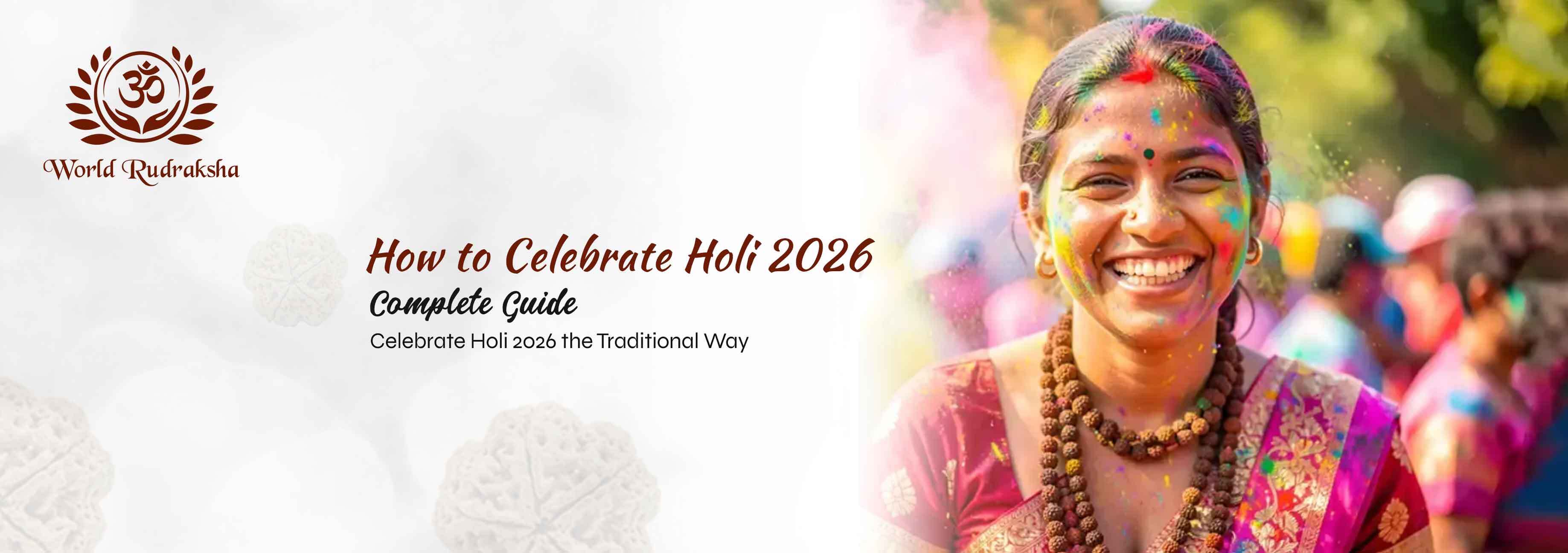
Celebrate Holi 2026 the Traditional Way: Rituals, Food & Colors
The bonfire symbolizes the destruction of negativity, ego, and obstacles. Devotees circumambulate the fire, chanting mantras to invoke protection, prosperity, and spiritual purification. Offerings placed into the fire are believed to carry prayers and intentions to the divine. Holika Dahan is not merely a ritual of burning; it is a spiritual practice that encourages participants to reflect on personal challenges, release negativity, and prepare for the joyous, colorful celebration of the following day.
Rangwali Holi (Playing with Colors) – Types of Colors, Application Methods, and Etiquette
On Wednesday, March 4, 2026, Rangwali Holi transforms streets, courtyards, and public spaces into vibrant, living canvases. Traditional colors, known as gulal, are applied to friends, family, and neighbors, accompanied by music, dance, and playful banter. Water balloons, water guns, and sprinklers add excitement, while ensuring the fun remains safe and inclusive.
In Vrindavan and Mathura, Lathmar Holi is celebrated with women playfully striking men with sticks while singing traditional songs. Barsana sees grand processions honoring Radha, while in Bengal, Dol Jatra parades idols of Krishna through the streets, blending devotion with merriment. Etiquette encourages consent, respect, and inclusivity, making the playful chaos a shared experience of joy, rather than conflict.
Participants often prepare themselves with coconut oil on skin and hair to prevent irritation, while wearing comfortable clothing suitable for a day of color-filled celebration. The festival becomes an immersive expression of love, community, and spiritual energy, connecting every participant with tradition and divine joy.

Traditional Holi Foods & Sweets – Recipes, Significance, and Regional Specialties
No Holi celebration is complete without festive foods. Iconic treats like gujiya, a sweet dumpling filled with khoya and dry fruits, symbolize abundance and prosperity. Thandai, a spiced milk drink infused with almonds, saffron, or bhang, refreshes and energizes celebrants.
Regional delicacies, including malpua, dahi bhalla, puran poli, and samosas, are prepared and shared, fostering communal bonds and teaching younger generations about traditional culinary practices. Cooking and distributing food during Holi is not only a social activity but also a spiritual offering, reinforcing the values of generosity, community, and gratitude. Each bite connects participants with the festive spirit and cultural heritage of the celebration.
Astrology & Muhurat for Holi 2026 – Date, Timing, Planetary Influences, Auspicious Practices
Holi follows the lunar calendar, celebrated on the full moon of the month of Phalguna. In 2026, Holika Dahan falls on Tuesday, March 3, in the evening, while Rangwali Holi is on Wednesday, March 4, coinciding with Phalguna Purnima. Astrological factors, such as the positions of Venus, Jupiter, and the Moon, are considered auspicious for rituals and prayers.
Observing Holi during favorable muhurats amplifies the spiritual efficacy of prayers, rituals, and intentions. Lighting the Holika bonfire, preparing festive foods, and engaging in color play at the correct times enhances the festival’s blessings, bringing harmony, joy, and prosperity. Astrology provides guidance, reminding participants that spiritual practice and cosmic alignment go hand in hand during celebrations
Topic | Key Points | Date 2026 |
|---|---|---|
Holika Dahan | Bonfire, offerings, mantras, remove negativity | Mar 3 (Evening) |
Rangwali Holi | Colors, music, dance, joy & unity | Mar 4 |
Colors | Red: love, Yellow: knowledge, Green: prosperity, Blue: divine energy | Mar 4 |
Foods | Gujiya, Thandai, Malpua | Mar 4 |
Astrology | Full moon Phalguna, auspicious muhurat | Mar 3–4 |
Regional Holi Celebrations – North, South, East, West India Traditions
Holi varies dramatically across India, reflecting the richness of local cultures. In North India, Vrindavan and Mathura host grand celebrations with elaborate processions, Lathmar Holi, and devotional performances. Western India, especially Maharashtra and Gujarat, celebrates with folk dances, music, and sharing of traditional foods. Southern India observes Holi with temple rituals, devotional songs, and community gatherings, while Eastern India’s Dol Jatra and processions integrate spirituality with festivity. These regional practices highlight the diversity of India’s cultural heritage while maintaining the spiritual core of Holi.
DIY Activities & Games – Eco-Friendly Colors, Water Games, Rangoli, and Creative Ideas
Eco-conscious participants are embracing natural colors made from turmeric, beetroot, spinach, and marigold petals. Families engage in creative games, Rangoli competitions, and water-based fun that is safe, educational, and interactive. Such activities not only entertain but also teach respect for nature, sustainability, and creativity, ensuring that Holi remains joyous without harming the environment.
Safety & Environmental Awareness – Skin, Hair, Fire Safety, Water Conservation, Eco-Conscious Practices
Safety is essential. Using herbal, chemical-free colors protects skin and hair, while wearing comfortable clothing prevents stains and irritation. Fire safety during Holika Dahan ensures that the sacred fire is respected, and children are supervised. Water conservation and eco-friendly alternatives, such as biodegradable balloons and sprinklers, reduce environmental impact, allowing participants to enjoy the festival responsibly. Holi 2026 encourages mindful celebration, blending joy with care for both individuals and the planet.
Social & Community Significance – Reconciliation, Charity, Inclusivity, Harmony
Holi fosters reconciliation, encouraging forgiveness, community service, and inclusivity. Sharing food, colors, and blessings strengthens social bonds. Charity events, temple offerings, and communal gatherings ensure that the festival transcends mere enjoyment, cultivating empathy, unity, and social responsibility. It is a time to teach children about compassion, respect, and cultural heritage while reinforcing adult awareness of collective wellbeing.
Traditional attire, such as kurtas, sarees, and dhotis, is preferred for comfort and cultural significance. Modern Holi trends favor white outfits that highlight the brilliance of colors. Participants are encouraged to choose eco-friendly, washable fabrics and minimal accessories, balancing festive style with practicality. Clothing during Holi becomes an extension of playfulness, tradition, and creativity, enhancing both enjoyment and visual appeal.
Spiritual Practices During Holi – Meditation, Chanting, Visualization, Gratitude Rituals
Holi is an opportunity for spiritual alignment. Meditation, chanting, visualization, and offering prayers amplify the festival’s spiritual energy. Participants may express gratitude, set intentions for abundance, and seek divine blessings. The symbolism of colors, ritual fire, and shared celebration fosters purification, mindfulness, and connection to higher energy. Holi thus becomes both an external festival of colors and an internal festival of the soul.
Modern Trends & Innovations – Festivals, Corporate Celebrations, Virtual Holi, Music and Dance Events
Contemporary Holi integrates music festivals, corporate celebrations, and virtual events, allowing global participation. Social media enables cultural sharing, creative expression, and eco-conscious awareness. Modern innovations complement traditional practices, maintaining the festival’s spirit while embracing creativity, inclusivity, and global reach.
Recommended Rudraksha for Holi
-
1 Mukhi: Represents Lord Shiva's single, undivided form. Worn by devotees who want to keep the festival rooted in devotion, it is traditionally linked with deep inner stillness, focus, and a calm mind even amid the noise and celebration.
-
2 Mukhi: Known as the bead of Ardhanarishvara, the united form of Shiva and Shakti. It is associated with harmony in relationships, understanding between partners, and the warmth of togetherness that Holi celebrates.
-
5 Mukhi: The most widely worn bead, linked with Lord Kalagni Rudra. It is traditionally associated with peace, a balanced mind, and steady energy, which makes it a good everyday companion for people of all ages.
-
7 Mukhi: Connected with Goddess Lakshmi and the Saptamatrikas. Devotees wear it with the hope of prosperity, abundance, and good fortune as the new spring season begins.
-
11 Mukhi: Associated with Lord Hanuman and the eleven Rudras. It is traditionally linked with courage, confidence, and a sense of protection, ideal for those seeking strength for new beginnings.
-
Gauri Shankar: A naturally joined pair of beads symbolizing Shiva and Parvati. It stands for unity, love, and a harmonious family bond, which fits the festival's spirit of coming together.
Conclusion
Holi is far more than a festival of colors it is a celebration of life, love, and spiritual awakening. From the flames of Holika Dahan on March 3, 2026, to the playful colors of Rangwali Holi on March 4, 2026, from festive foods to meditation and chanting, Holi 2026 embodies joy, reflection, and renewal.
By embracing tradition, performing rituals mindfully, celebrating responsibly, and connecting with the divine and the community, participants experience inner purification, social harmony, and spiritual growth. Every song, every splash of color, and every offering becomes a channel for positive energy, gratitude, and love.
Holi reminds us to celebrate life with compassion, mindfulness, and unity, encouraging forgiveness, renewal, and wholehearted participation in the vibrant tapestry of existence. Its joy, devotion, and spirit continue to inspire generations, making each celebration a sacred yet exuberant expression of life itself.